Lisa G Saw • March 10, 2026

February 26

WILDLIFE HIGHLIGHTS


Bob and I have visited West Rise Marsh a few times this month to look for Jack Snipe, but sadly without much success. We did see one, we think, on one visit, but it flew off before we set eyes on it. It's much the same with the Common Snipe, which as their name suggests, we see more of, but they're super skittish and fly off well before we're even close to where they're hiding, around the boggy wet marshes.


With so many wet, windy and dull days, plus the fact I still have to go to work, I was starting to wonder if my February Highlights would be virtually non existent, so I was content with photographing and observing a Heron, standing in the water. They can stand motionless for ages, and move very slowly, stealth-like through the water to new areas. Unfortunately, I was just moving into a new position, when it actually caught a fish. I missed capturing that moment when its head quickly and unexpectedly darted downwards and snatched its prey from the water. But, you can see the Heron in mid-gulp (first photo).

With the weather improving later in the day, we decided upon another visit to Eastbourne Pier just before sundown. I was blown away by the sheer volume of Starlings murmurating either side of the pier. It was just a shame they were staying fairly low in the sky and not bunching up close together, turning and changing direction rapidly, like we've sometimes seen.

As a result, I tried a different approach, and slowed down the shutter speed on my camera to try and create an image that really gives you a sense of the speed of their movement, as well as their volume. Numbers are usually much higher by February and March, so it's still a good time to watch this amazing spectacle.

There were limited opportunities to get out for a walk this month, and my camera had a bit of a rest. On the days we did manage to get out, I ended up taking my camera for a long walk, as it was even switched on. My Wildlife Highlights might have ended here, but thankfully, we had some wonderful garden visitors towards the end of the month - Long Tailed Tits. I love these birds. Bob, having bought some new bird feeders, put out some fat balls in one of the cages and it was only a matter of about 3 days before the Long Tailed Tits found them and have become fairly frequent visitors, much to our joy. I took some photos from indoors as it was raining - hence the poor light - but they were fun to watch for a little while. In the second photo, one of them stretched out their leg behind and then raised it over to its head and had a scratch.

One of the main problems for them, is that we seem to have a very feisty little Blue Tit, who is defending the bird feeders and chasing off the Long Tailed Tits. However, the Blue Tit went to roost before them, so they came in for a feed during the last of the daylight and made the most of it. I'm looking forward to seeing more of them. I've heard about how you can have a row of Long Tailed Tits all nestled in tight together on one branch. I think this is when the fledglings have left the nest but not off on their own yet. I would love to see that someday!


Right at the end of the month, Bob and I went away to Norfolk for a week's break to celebrate my birthday. We love visiting RSPB Minsmere whenever we have the opportunity, so we stopped there on our journey north and had a fabulous day. We saw plenty of little Muntjac Deer roaming the woodland, and this one was fairly close to the path, busy munching away at the ground. I'll post more about our day at Minsmere in another blog soon (with a link here).

On the last day of the month, I really enjoyed a trip to Horsey Beach in Norfolk. There were lots of Grey Seals hauled out on the beach as it's the moulting season. Each Seal has its own unique pattern on its fur, and even after it's moulted the same pattern remains on the next layer.


There will be plenty more to follow in a separate blog about this trip. This is just a little taster - a seal scratching its face.
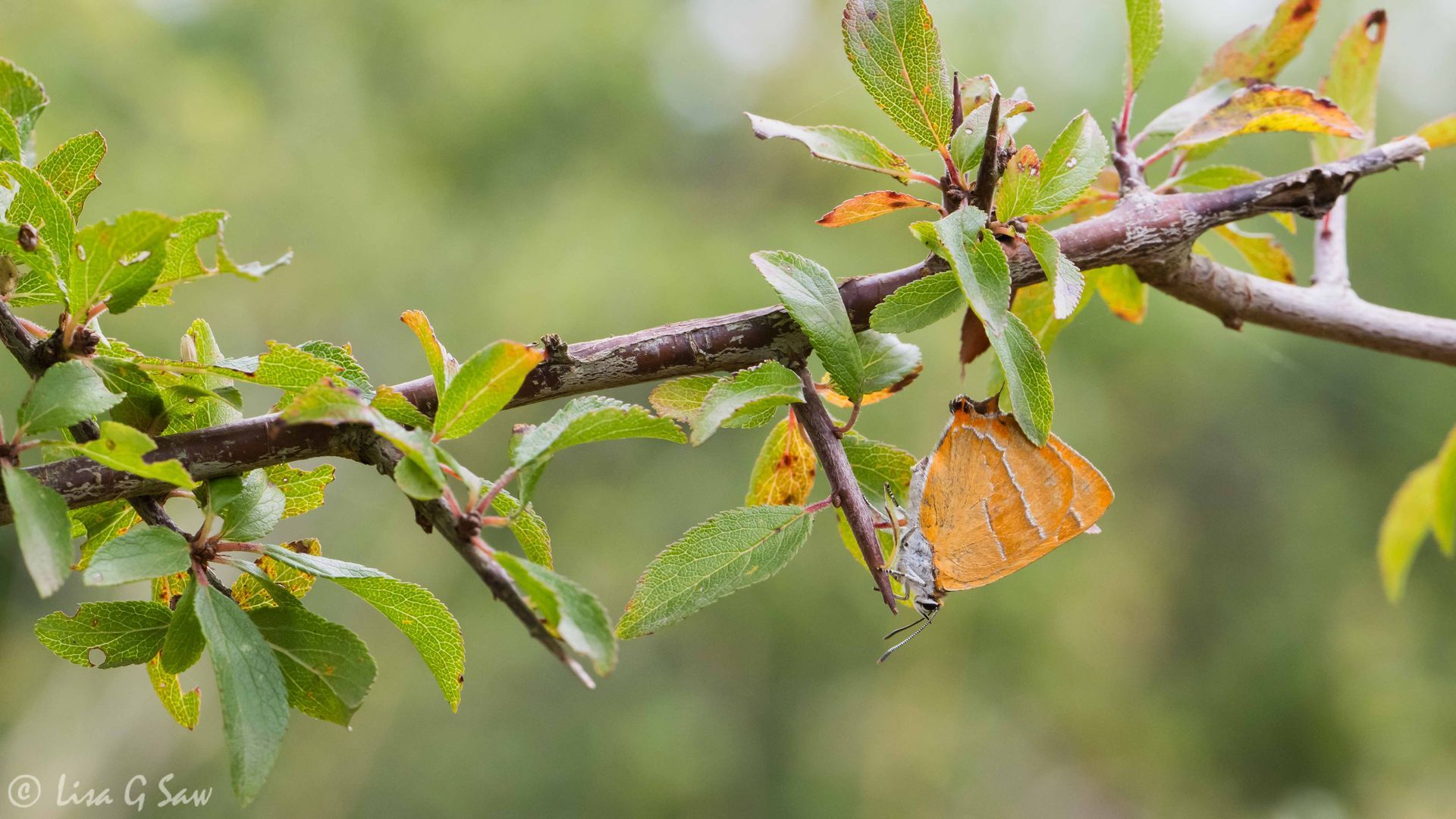
Brown Hairstreak
By Lisa G Saw • September 13, 2026
WILDLIFE HIGHLIGHTS It was the insects that were dominating my wildlife sightings again in August, with plenty more dragonfly and damselfly encounters, plus some fabulous moths and butterflies. Early in the month, Bob and I had a call from one of his friends who had a Striped Hawk-moth in his moth trap that morning. So we headed over to see it, having to wait some time for the weather conditions to be just right. Needless to say, I'd never heard of it before, but as ever, I'm learning about all sorts of new species and I certainly enjoyed the opportunity to photograph this fairly large moth species. It was very impressive, especially when we were able to see the flash of pink on the hindwings. I do like to experiment with my photography, and not just take the standard back-of-wing shot, and so got down low to take a photo from the side, so I could see its eye peering at me.
By Lisa G Saw • September 12, 2026
Our original plan for our trip up to Yorkshire, was to drive direct to Buckton, with rest breaks along the way. It wasn't until we were actually driving north on the A23 that Bob suddenly wondered about the possibility of detouring to Glapthorn Cow Pastures. It's a site in Northamptonshire that is known to be good for Black Hairstreaks - a rare butterfly species in the UK. As I was navigating, I had a quick look on my phone and saw that it would only add about 40 minutes to our journey. Since I'd never seen this butterfly species in its natural woodland habitat - the local colony in East Sussex is of questionable origin, and has most likely been introduced - I was eager to visit this new site. I like being spontaneous and I think Bob was surprised I agreed. In the end, it was the perfect place for us to stop for lunch and enjoy some time in a beautiful quiet woodland. Of the few people there, most were about to leave when we arrived. Bizarrely, I recognised one of them too from back home! It was quite easy to find the ride where the majority of Black Hairstreaks were nectaring. Since it wasn't sunny to begin with, it wasn't too tricky taking some photos as they weren't too flighty. I couldn't believe how many I was seeing. There were several flying around in one small area, and as we ambled up the ride we saw many more - about 30 in total. I saw more in that hour than I had in total prior to that occasion. For the majority of time it was just the two of us in this small stretch of the woodland. It was so peaceful. For the most part, only the sounds of the birds and bees could be heard. It was heavenly!
By Lisa G Saw • August 31, 2026
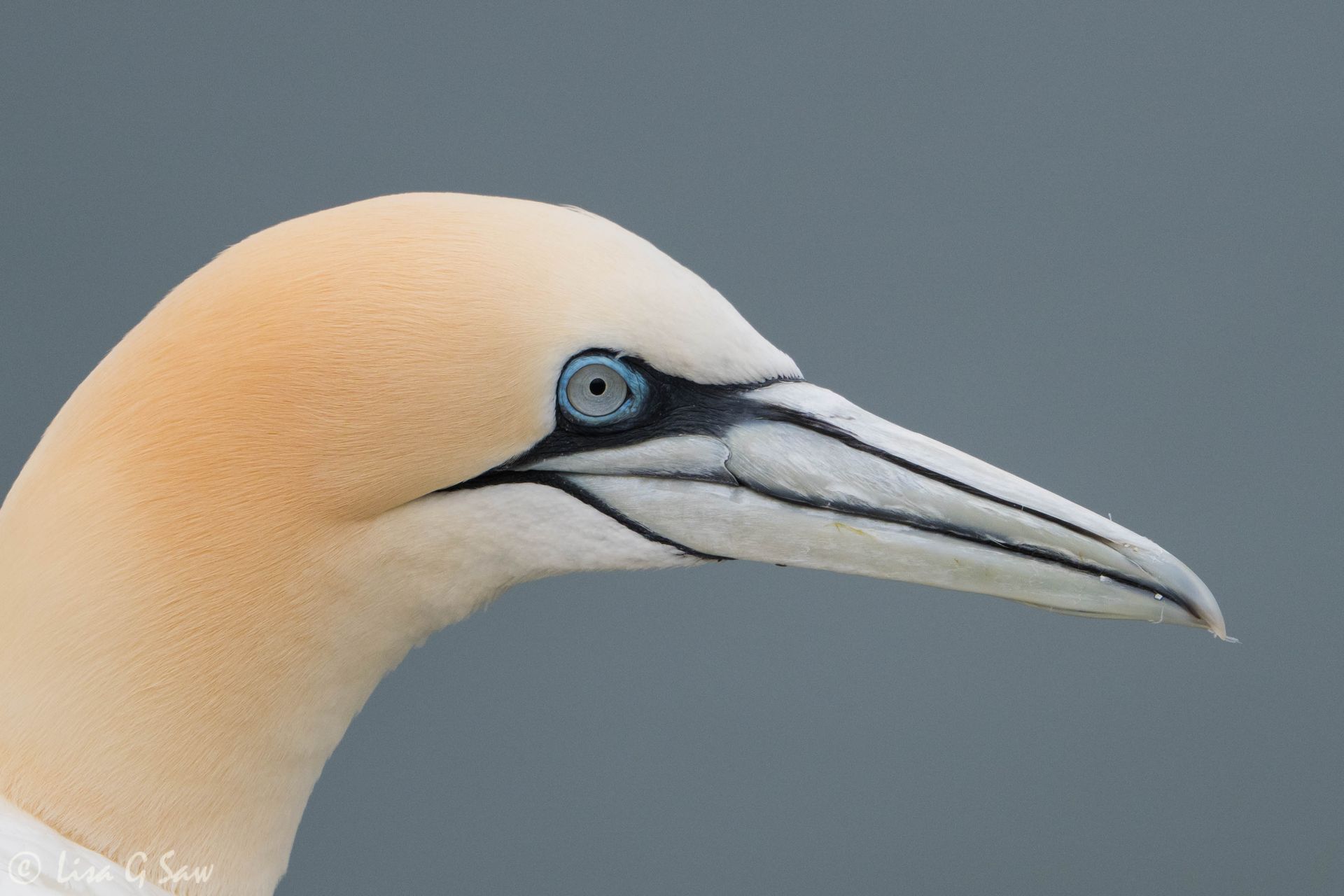
At the end of May, when we had that first bout of warm spring weather, I headed up to Yorkshire with Bob for a week's holiday. We stayed in lovely self-catering accommodation in Buckton where I'd stayed before on a previous visit to the area, but in a deluxe static caravan instead of one of the cottages. The location was fabulous as it gave us wonderful access to the RSPB nature reserve, Bempton Cliffs. It was only a 30 minute walk to the coast, to the northern end of the nature reserve, or we could drive to the various access points not only at the visitor centre nearby, but further eastwards towards Flamborough Headland. Unfortunately, the good weather only lasted the first two days. Having said that, we were lucky the rest of the week because even though it was windy at times, cloudy mostly, and we had some wet spells, we managed to work around it. As always, we try not to let it affect us too much and we both had an excellent time away. Bob's back was still causing him some grief, having put it out a month prior, so we were careful not to spend too long out on walks, or avoid carrying too much equipment. It was actually lovely having a bit more chill time at the accommodation relaxing and reading. The seabirds were the main draw to the area, and there's a good number of them at Bempton Cliffs. They host over 200,000 breeding seabirds during peak season (March to October). Despite the crash in numbers last year due to bird flu, overall the colony seems to be doing well and bouncing back. It's one of the best places in the country to see Northern Gannets, as it is the largest mainland colony, with an estimated 11,000 to 15,000 breeding pairs.
Show More